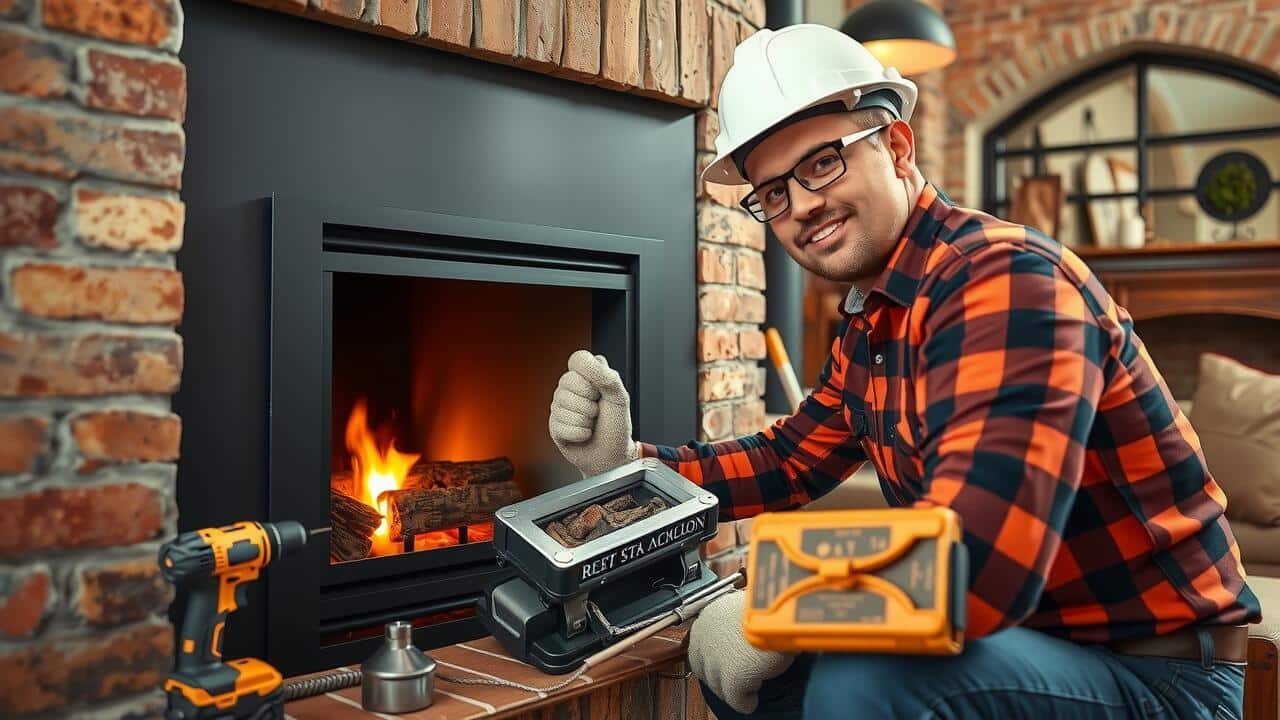
At GoPro Chimney Sweep San Antonio, we specialize in expert Chimney Gas Log Installation to enhance your home’s heating efficiency and comfort. Our skilled technicians are dedicated to providing a seamless installation experience, ensuring that your gas logs are set up safely and effectively. We take great pride in offering a variety of styles and designs to match your aesthetic preferences while delivering the warmth and ambiance you desire. With our thorough understanding of local codes and safety regulations, you can trust us to ensure that your gas logs are installed correctly for optimal performance. Enjoy cozy evenings by the fire without the hassle of traditional wood-burning systems—let GoPro Chimney Sweep San Antonio handle your gas log installation needs with professionalism and care.
Maintenance Tips for Longevity
To ensure the longevity of your gas log installation, routine inspections are essential. Schedule a professional examination at least once a year, focusing on the ignition system, flue, and ventilation system. Technicians will check for debris buildup and clean any necessary components to maintain efficiency. Regular inspection reduces the risk of hazardous situations, such as carbon monoxide leaks, allowing you to safely enjoy your gas fireplace while adhering to building codes.
Cleaning practices play a crucial role in maintaining the aesthetic and function of your gas logs. Gently wipe the logs with a damp cloth to remove ash and soot, avoiding harsh abrasives that may damage the ceramic surface. Ensure glass doors are cleaned with suitable glass cleaners to preserve visibility of the flames. This attention to detail not only enhances the visual appeal but also contributes to the optimal combustion process, which improves heat output and extends the life of the unit.
Routine Inspections and Cleaning Practices
Regular inspections of gas log installations are essential for ensuring safety and optimizing performance. A comprehensive check-up should include assessing the condition of the flue liner, confirming that piping is intact and free of corrosion. Technicians must also evaluate the gas supply valve and connections. Signs of wear, such as soot buildup or creosote accumulation, could indicate fire hazards and negatively impact indoor air quality. Adhering to safety standards helps to mitigate risks associated with combustible materials and emissions.
Cleaning practices play a vital role in prolonging the life of gas logs. The use of vermiculite or sand can aid in maintaining the log set, especially if carbon buildup is present. This process not only enhances aesthetics but also supports energy efficiency by ensuring that the system runs optimally. Conducting routine cleaning and inspections at least once a year can help avoid costly repairs, keeping customer satisfaction high and complying with regulations. Ultimately, proper maintenance practices contribute to a safer and more enjoyable indoor environment.
Cost Factors in Gas Log Installation
When considering gas log installation, various cost factors come into play that can significantly influence the overall expenditure. The type of gas supply chosen, whether natural gas or propane, will dictate certain expenses associated with the installation process. Natural gas lines generally require specific piping and may necessitate connections to an existing system. Conversely, a propane tank installation can incur additional costs related to tank purchase and maintenance. These choices also affect long-term operational costs due to differences in fuel efficiency and availability.
Installation complexity is another crucial factor to evaluate. A straightforward installation in an existing fireplace or inglenook may incur lower labor costs compared to a project requiring extensive modifications to existing structures or ventilation systems. Design elements can also play a role. Options such as fireplace inserts or custom mantels can add to the overall price, but they may offer enhanced aesthetics or operational efficiency. Property specifics, such as accessibility for equipment and existing chimney condition, will also impact labor and cleaning costs, factoring into the final installation price.
Analyzing Installation and Product Costs
When considering the installation of gas logs, various cost factors come into play. The price of the logs themselves can vary significantly based on brand, design, and whether or not they are vented or ventless. Additionally, hiring certified chimney professionals for installation is essential to ensure compliance with building regulations and to maintain safety standards. These professionals can also provide guidance on selecting the right chimney liner and caps that match the new system, further affecting overall expenses.
Another important aspect involves understanding the long-term energy consumption and potential return on investment. While gas logs typically offer an energy-efficient alternative to burning wood, the initial setup and ongoing costs must be weighed against the benefits, such as improved air quality and reduced pollutants. Homeowners should also consider the potential increase in property value that a well-installed gas log system can bring, making it a worthwhile investment for both comfort and aesthetics. Factors like the type of gas supply chosen, whether natural gas or propane, influence the running costs and should be part of a thorough analysis before installation.
Choosing the Right Gas Supply
Selecting the appropriate gas supply for your gas logs is crucial for efficient operation and safety. Homeowners have the option to choose between natural gas and propane, each with its advantages. Natural gas is often more cost-effective, but propane can provide portability and convenience in areas without a gas line. Understanding the infrastructure of your home and the availability of these fuels can significantly influence the decision. Proper installation requires certification and knowledge of local building codes, ensuring that safety from combustion gases is prioritized.
Consideration of heating needs and their impact on appliances will further guide this choice. A programmable thermostat can help manage gas consumption efficiently while maintaining comfort. Homeowners should also evaluate their surroundings, including any homeowners’ associations that may have restrictions or guidelines regarding gas installations. Regardless of the supply selected, ensuring that appliances and fixtures are properly certified for safety will help mitigate risks, including carbon monoxide poisoning and ensuring adequate ventilation.
Natural Gas vs. Propane Options
When considering gas supply options for your fireplace, both natural gas and propane present unique advantages and challenges. Natural gas, commonly found in residential areas, connects directly to municipal lines, ensuring an uninterrupted supply. This option generally requires less maintenance and is often more economical over time. On the other hand, propane usually needs to be delivered in tanks or cylinders, which may require extra planning for refills. Homeowners might prefer propane for remote locations where natural gas lines are not available, making it a versatile choice.
Health and safety factors are also essential when choosing between the two options. Natural gas has the advantage of producing less waste and fewer emissions, making it a more environmentally friendly option. Propane, although clean-burning, can sometimes emit odors if there are leaks. Homeowners must stay vigilant about potential hazards associated with gas use, including the risk of chimney fires or other appliance-related issues. Educating oneself about venting requirements and keeping up with regular chimney sweeps can significantly contribute to safety and efficiency, regardless of the gas option chosen.
FAQS
What are the key maintenance tips for ensuring the longevity of my gas logs?
Key maintenance tips include performing routine inspections, cleaning the logs regularly to remove soot and debris, and checking for any gas leaks or issues with the ignition system.
How often should I schedule routine inspections for my gas log installation?
It is recommended to have a professional inspection at least once a year to ensure safe and efficient operation. However, you should also conduct visual checks and cleanings more frequently, especially during peak usage seasons.
What factors affect the cost of gas log installation?
Cost factors include the price of the gas log unit itself, installation fees, necessary modifications to your existing chimney or venting system, and any additional accessories or components required for compliance with local building codes.
Are there significant differences in installation costs between natural gas and propane options?
Yes, installation costs can vary depending on the gas type. Natural gas typically requires a direct connection to your home’s gas line, while propane may need additional equipment like a tank, which can affect overall installation costs.
How do I choose the right gas supply for my gas log installation?
To choose the right gas supply, you should consider availability in your area, the efficiency of each option, and any existing infrastructure you may have. Additionally, consult with a professional to determine the best choice for your specific needs.