Table Of Contents
What to Expect During a Chimney Inspection
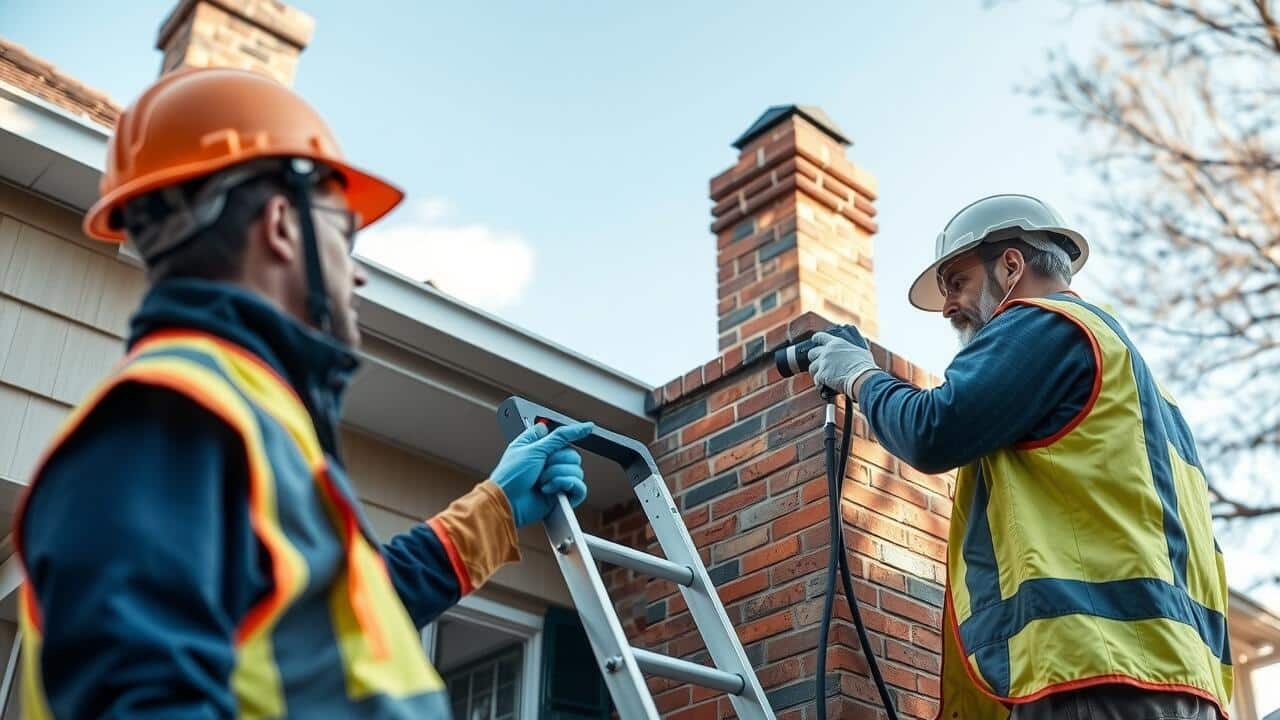
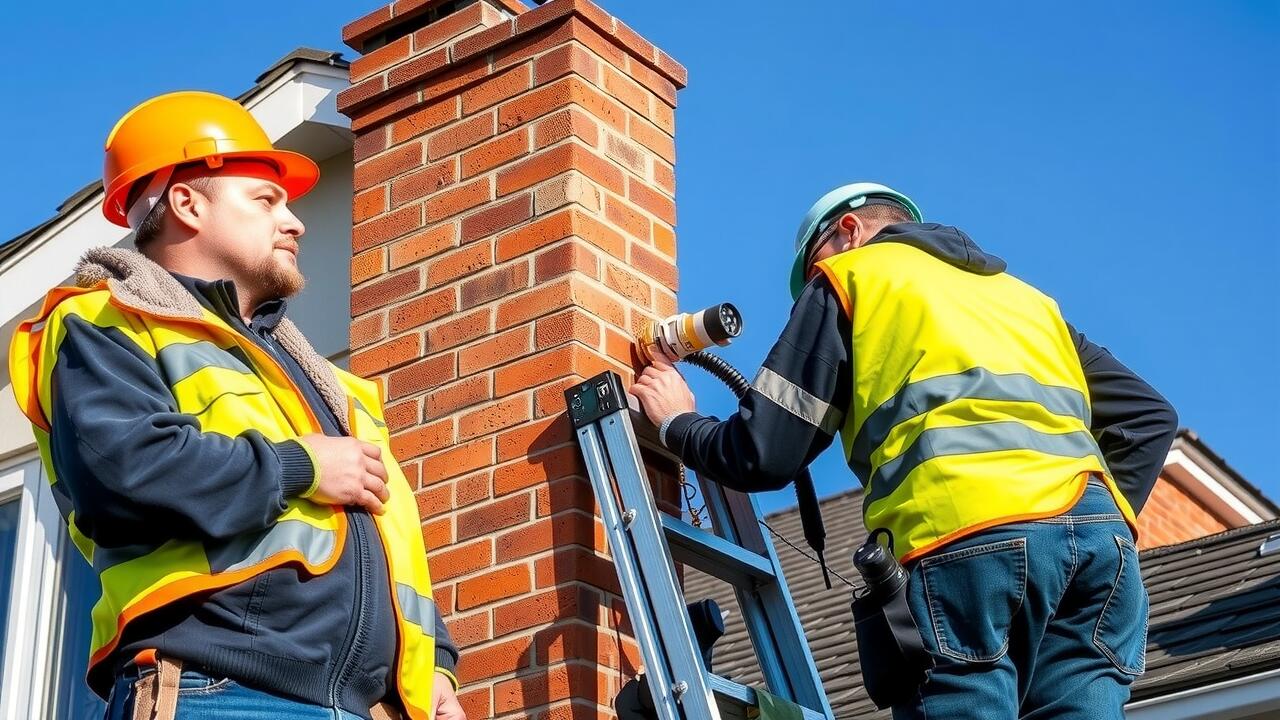
A chimney inspection typically begins with a visual assessment from the ground. This initial inspection allows the professional to identify any obvious issues, such as cracks, blockages, or excess creosote buildup. The inspector may use specialized tools, such as cameras, to get a closer look at the interior of the chimney. This step is crucial for determining the overall condition of the chimney and understanding any immediate repairs that may be necessary.
Following the visual inspection, the inspector often conducts a more thorough examination from the roof or inside the fireplace. This allows for a complete evaluation of the chimney structure, flue lining, and ventilation system. The inspector will check for signs of corrosion, deterioration, or structural weaknesses. A comprehensive chimney inspection not only highlights current problems but also helps homeowners understand potential future issues that could arise, emphasizing the importance of regular maintenance.
Step-by-Step Inspection Process
A Chimney Inspection typically begins with a visual assessment of the exterior structure. Inspectors look for cracks, loose mortar, or any signs of damage to the chimney cap and crown. They then check the flue for the presence of debris, creosote build-up, or any obstructions that could impede airflow. Proper ventilation is crucial for safe operation, so ensuring the integrity of these components is a key part of the inspection process.
After the exterior evaluation, inspectors proceed to examine the interior of the chimney system. This involves using specialized tools, such as cameras or inspection lights, to get a closer look at the flue lining and other internal structures. A thorough inspection will also include a check for any leaks that might cause water damage to surrounding materials. By methodically assessing each aspect of the chimney, professionals can identify potential hazards and recommend necessary repairs.
DIY Inspections vs. Professional Services
Homeowners considering a chimney inspection often wonder whether to tackle the job themselves or hire a professional. DIY inspections can save money and offer a sense of accomplishment. Basic checks include looking for soot buildup, examining the cap and flue, and checking for any visible damage. These simple tasks may help identify obvious issues. However, without proper training, homeowners might miss critical signs of deeper problems that could lead to significant hazards.
On the other hand, professional chimney inspections provide expertise and a comprehensive assessment. Certified professionals utilize specialized tools and techniques to evaluate the entire chimney system thoroughly. They have the training to detect issues that an untrained eye might overlook, such as flue cracks or structural integrity concerns. While hiring a professional incurs additional costs, this proactive approach often prevents costly repairs down the line. A chimney inspection performed by an expert can enhance safety and ensure proper maintenance.
Pros and Cons of Each Approach
DIY chimney inspections can offer significant advantages. Homeowners can save money by avoiding the costs associated with professional services. Conducting a personal inspection also allows individuals to familiarize themselves with their chimney system. Identifying obvious issues such as creosote buildup or visible damage fosters a greater understanding of the chimney’s condition and performance.
On the other hand, professional chimney inspection services bring expertise that is hard to match. Trained inspectors have access to specialized tools and techniques that can uncover hidden problems not visible to the untrained eye. Their experience ensures a thorough assessment that enhances safety and efficiency. Relying on professionals may incur higher costs, but the assurance of a comprehensive examination can prevent costly repairs in the long run.
The Role of Chimney Inspections in Home Maintenance
Routine chimney inspection plays a crucial role in the overall maintenance of a home. Regular assessments help identify potential issues before they escalate into significant problems. Accumulated soot, debris, or structural damage can hinder a chimney’s performance. An inspection ensures everything functions efficiently, reducing the risk of chimney fires and carbon monoxide intrusion.
Moreover, a thorough chimney inspection can extend the lifespan of your fireplace and chimney system. Homeowners benefit from addressing minor concerns early on, which can save money in future repairs. Ensuring that the chimney is in optimal condition also contributes to the safety and comfort of the household. Regular inspections help keep families safe while maintaining the value of their property.
Preventing Long-Term Damage
Regular chimney inspections are essential for maintaining the integrity of your home. A thorough inspection can identify potential hazards such as creosote build-up, cracks in the flue, or structural issues within the chimney. Catching these problems early can prevent more significant damage down the line, saving you both time and money in repairs.
By investing in a chimney inspection, homeowners can ensure their heating systems operate safely and efficiently. Regular checks help to ward off issues that could lead to dangerous situations, such as chimney fires or carbon monoxide leaks. Prioritizing inspections contributes to the longevity of your home and enhances the safety of your living environment.
FAQS
What is included in a chimney inspection?
A chimney inspection typically includes a visual examination of the chimney structure, flue, and surrounding areas, checking for blockages, creosote buildup, cracks, or any signs of wear and tear.
How often should I have my chimney inspected?
It is recommended to have your chimney inspected at least once a year, especially before the heating season begins. However, if you use your fireplace frequently, more frequent inspections may be necessary.
Can I perform a chimney inspection myself?
While DIY inspections can help you spot obvious issues, it’s best to hire a professional for a thorough inspection, as they have the tools and knowledge to identify hidden problems.
What are the benefits of a professional chimney inspection?
Professional inspections provide a comprehensive assessment, including identifying safety hazards, offering maintenance advice, and ensuring compliance with local codes and regulations.
Is a chimney inspection worth the cost?
Yes, a chimney inspection is worth the cost as it can prevent dangerous issues like chimney fires or carbon monoxide leaks, saving you money on potential repairs and ensuring your family’s safety.