Table Of Contents
How to Check for Creosote Buildup
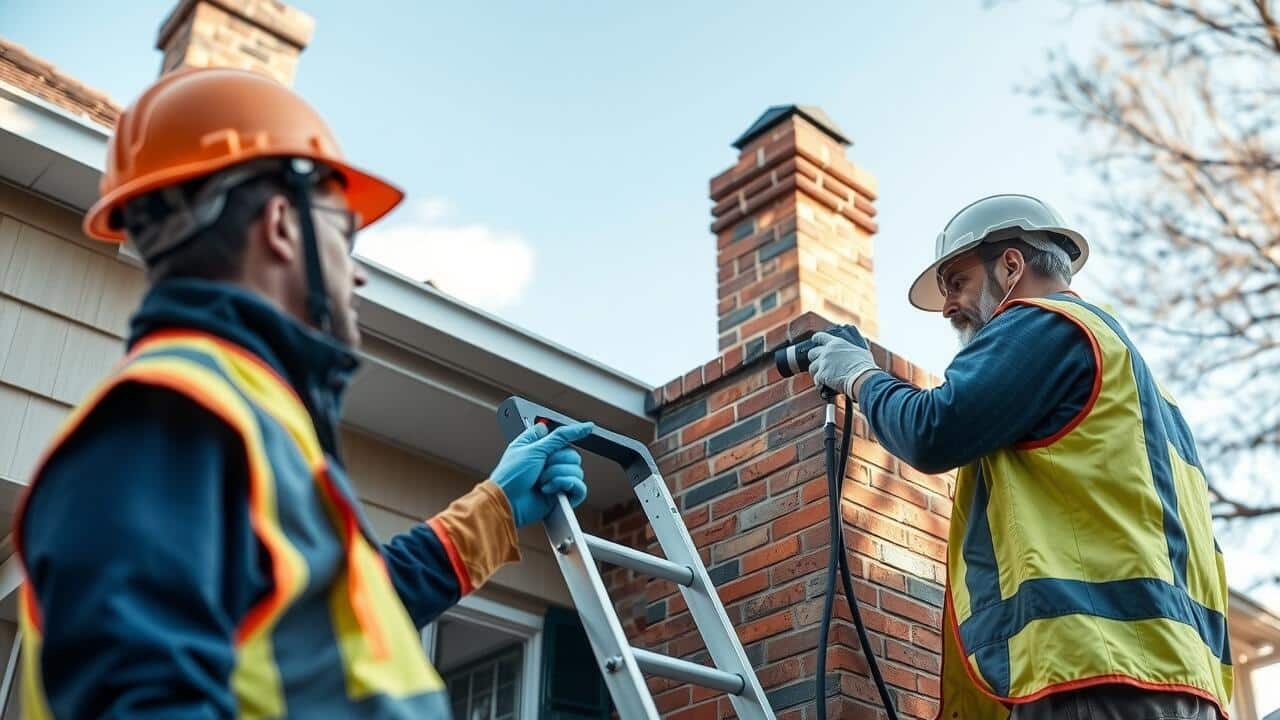
To check for creosote buildup in your chimney, you can start by using a flashlight to inspect the interior. Creosote often appears as a black or brown tar-like substance that clings to the flue walls. It’s essential to look for different stages of buildup, as lighter deposits may indicate a recent fire, while heavy, flaky accumulations can pose a serious fire risk. Schedule regular chimney inspections to catch these issues early and maintain safe usage.
Using a chimney brush to clean the flue can help remove soft deposits and reduce the risk of ignition. If you notice dense, hardened creosote, it’s best to consult a professional. Search online for “Chimney Inspection near me” to find skilled technicians who can provide thorough assessments and cleaning services. Regular maintenance is crucial for preserving chimney safety and efficiency.
Understanding Creosote Formation
Creosote is a byproduct produced when wood burns, and its formation is a natural consequence of the combustion process. As smoke rises through the chimney, it cools down, causing some of the chemicals in the smoke to condense and adhere to the flue walls. Over time, this sticky substance accumulates, leading to potential hazards such as chimney fires if not properly addressed. Regular chimney inspections are essential for maintaining a safe and functional fireplace.
In addition to risks associated with chimney fires, the buildup of creosote can also impact the efficiency of your fireplace. When creosote accumulates, it restricts airflow, making it harder for smoke to vent properly. This inefficiency can result in poor combustion and increased emissions. For homeowners seeking to ensure their fireplaces are safe and operational, searching “Chimney Inspection near me” can connect them with professionals who can help assess and mitigate creosote buildup effectively.
Assessing the Chimney Cap and Flue
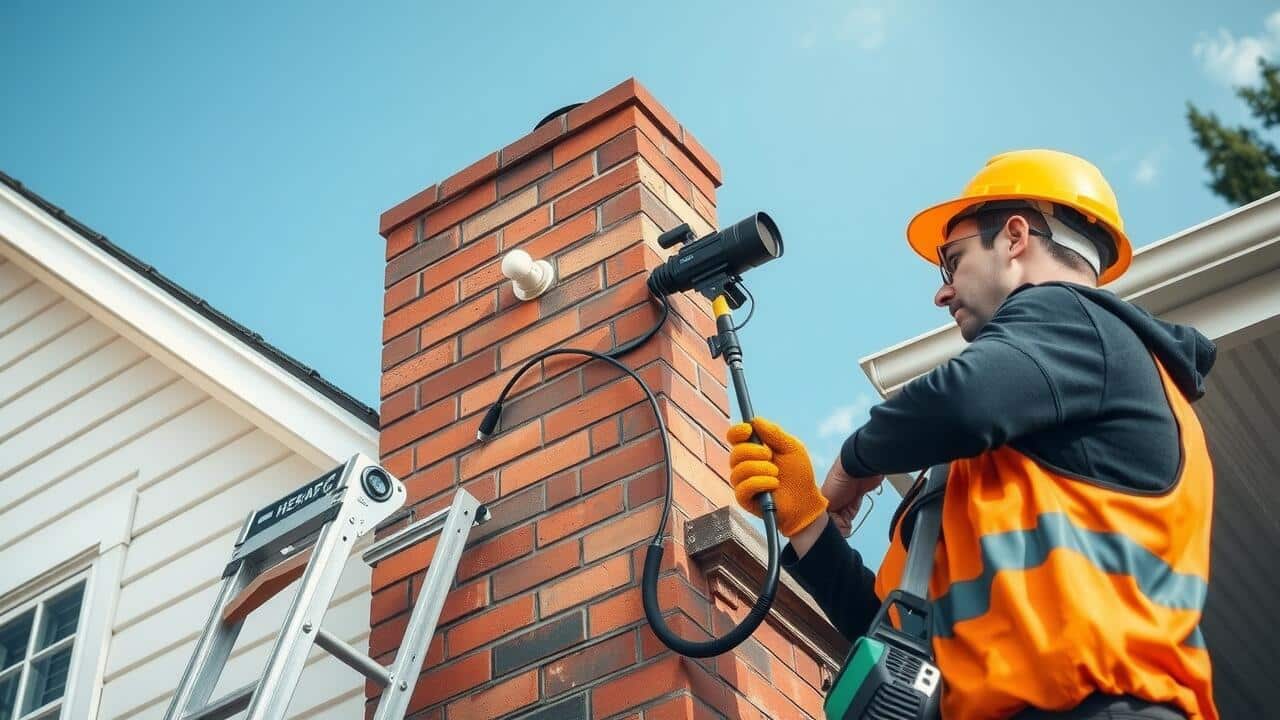
The chimney cap serves a critical function in preventing debris, animals, and rain from entering the chimney system. During an inspection, ensure the cap is secure and free from cracks or damage. Any deterioration could lead to moisture problems and increased risk of blockage. If you notice rust or corrosion, it may be an indication to replace the cap. A proper fitting cap enhances the overall efficiency of the chimney, directing smoke up while keeping unwanted elements out.
The flue is another essential component to review. Check for blockages, soot buildup, or signs of deterioration. Inspecting the interior of the flue can reveal any cracks or gaps that could allow harmful gases to escape into the home. If you aren’t comfortable examining these components yourself, consider hiring a professional for a thorough inspection. A simple search for “Chimney Inspection near me” can lead you to certified experts equipped to ensure your chimney is functioning correctly and safely.
Importance of Proper Functionality
A properly functioning chimney is crucial for both safety and efficiency when using a fireplace or wood stove. An obstructed flue can lead to dangerous carbon monoxide build-up or chimney fires, making it essential to ensure that every component of the chimney operates correctly. Regular inspections help identify any potential issues early on, preventing hazardous situations and keeping the home safe during cold months.
When considering a chimney inspection, homeowners should look for qualified professionals who understand the intricacies of chimney systems. Searching for “Chimney Inspection near me” can yield a list of certified technicians who can provide thorough evaluations. These experts assess not only the flue but also the chimney cap and mortar joints to confirm that the entire structure is intact and functioning effectively.
Identifying Structural Damage
When inspecting a chimney, it’s essential to look for any signs of structural damage. Cracks in the brickwork, gaps in the mortar, or signs of leaning can indicate serious issues that may compromise the chimney’s integrity. Deterioration often results from water infiltration, which can freeze and expand during colder months, leading to further damage. Homeowners should be vigilant about these symptoms, as ignoring them could lead to costly repairs down the line.
Additionally, pay attention to the chimney crown and flashing for any abnormalities. A damaged crown can allow water to seep into the chimney, while inadequate or compromised flashing can lead to leaks in the roofline. Regular inspections are crucial for maintaining the chimney’s safety and functionality. For those unsure about their ability to assess these areas, searching for “Chimney Inspection near me” can connect them with local professionals who can provide a thorough evaluation.
Types of Damage to Look For
When inspecting a chimney, it’s crucial to be aware of various types of damage that may affect its integrity and functionality. Look for cracks or gaps in the brickwork or mortar joints. These issues can result in water intrusion, leading to further deterioration over time. Additionally, inspect the chimney for signs of leaning or bowing, which may indicate structural instability. If any bricks are missing or loose, this can compromise the chimney’s ability to vent smoke effectively.
Another important area to examine is the chimney cap. Ensure it is intact and free from any rust or damage. A damaged cap can allow water to enter, potentially causing spalling or other issues within the chimney structure. If you’re unsure about your findings, seeking professional help for a detailed examination could be beneficial. Many homeowners search for “Chimney Inspection near me” to find experienced professionals who can identify problems before they worsen.
FAQS
How often should I inspect my chimney?
It is recommended to inspect your chimney at least once a year, ideally before the heating season begins. This helps ensure that it is safe and functioning properly.
What are the signs of creosote buildup?
Signs of creosote buildup include a strong, smoky odor, dark stains on the chimney, and the presence of a thick, black residue inside the flue.
What should I do if I find structural damage in my chimney?
If you identify structural damage, such as cracks or loose bricks, it is important to contact a professional chimney inspector or repair service as soon as possible to assess the damage and recommend repairs.
Can I inspect my chimney myself, or should I hire a professional?
While some basic inspections can be done yourself, such as checking for visible damage or creosote buildup, it is advisable to hire a professional for a thorough inspection and cleaning to ensure safety and compliance with local codes.
Why is the chimney cap important?
The chimney cap is important because it prevents rain, debris, and animals from entering the chimney and protects the flue from deterioration. A damaged or missing cap can lead to serious issues, including water damage and blockages.