Table Of Contents
When to Call Professionals
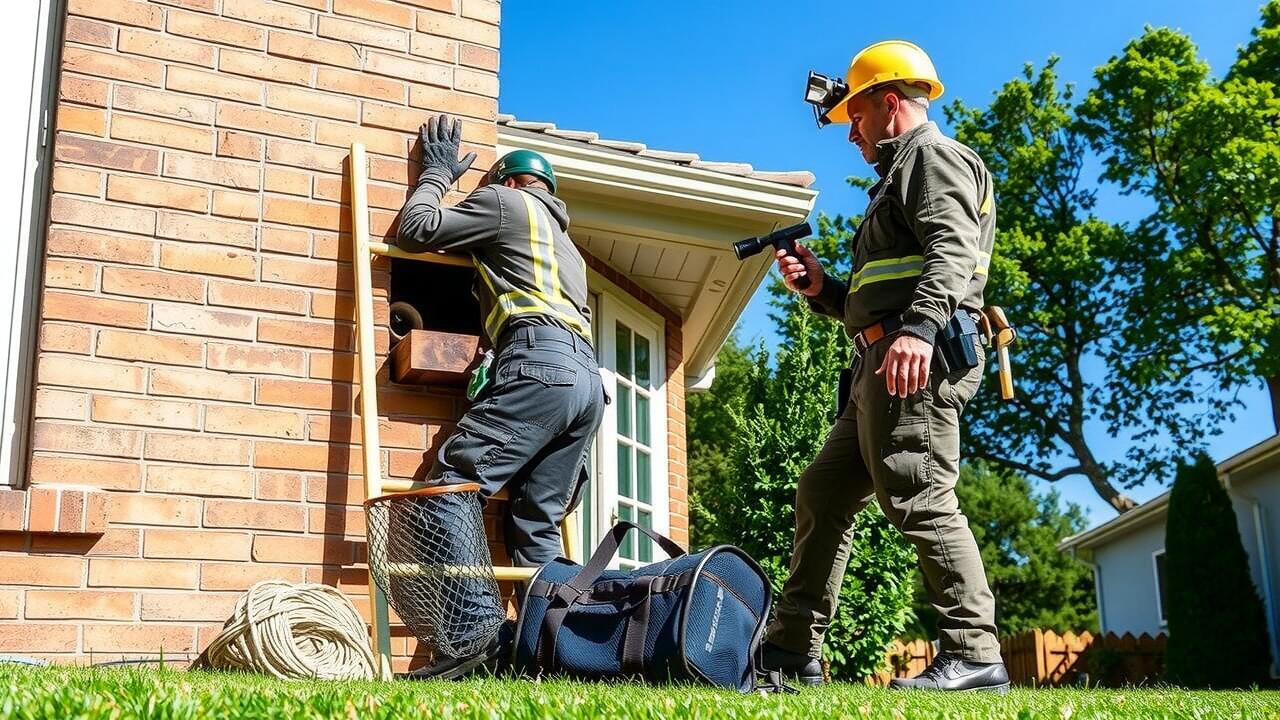
If you notice persistent noises coming from your chimney, it may signal that an animal has taken up residence. Squirrels, raccoons, and birds can become trapped or find shelter in this area, creating potential hazards for your home. While you might consider attempting to remove the animal yourself, it’s often safer and more effective to seek professional assistance. Companies that specialize in Chimney Animal Removal have the expertise and tools necessary to address the problem without causing harm to the animal or damage to your property.
Attempting a DIY approach can sometimes worsen the situation. Animals may become frightened and aggressive when cornered, leading to injuries for both them and yourself. Professionals not only ensure safe removal but can also assess the chimney for potential entry points and assess the risks involved. Their experience allows them to handle the situation quickly and humanely, reducing the chance of a reoccurrence. They can also provide guidance on preventative measures, ensuring your home remains animal-free in the future.
Identifying the Need for Expert Help
Animals trapped in your chimney can pose significant risks. Their presence may lead to blockages and potentially hazardous situations. If you hear scratching, chattering, or rustling sounds coming from your chimney, it may signal that an animal is nesting or trapped. Attempting to address the situation without expertise can exacerbate the issue, putting both you and the animal at greater risk.
In cases where an animal is visibly stuck or appears injured, seeking professional assistance becomes imperative. Chimney Animal Removal services specialize in safely extracting these creatures while minimizing harm. Trained technicians can assess the situation, ensuring both effective removal and the prevention of future incidents. Prompt action can mitigate property damage and alleviate the stress caused by the unwelcome intrusion.
Preventing Future Incursions
To prevent future incursions into your chimney, consider installing effective chimney caps and screens. These barriers can keep wildlife from entering while still allowing smoke and gases to escape during operation. Properly fitted caps also help guard against rain, debris, and nesting materials, which can obstruct the flue and create hazardous conditions.
Regular maintenance is crucial for ensuring that your chimney remains a less appealing habitat for animals. Schedule routine inspections and cleanings to identify potential entry points and eliminate any lingering odors that might attract wildlife. By taking these proactive measures, you can reduce the likelihood of needing Chimney Animal Removal services down the line.
Effective Chimney Caps and Screens
Installing effective chimney caps and screens is a crucial step in preventing animals from entering your chimney. These devices act as barriers that keep unwanted wildlife out while still allowing smoke and gases to escape. High-quality materials, such as stainless steel or galvanized steel, ensure durability and resistance to rust. Choose a cap with a slanted design to prevent rain and snow from entering while also providing proper ventilation.
Regular maintenance of these caps and screens is essential for ensuring their effectiveness. Over time, debris can accumulate, obstructing airflow and creating an inviting environment for animals. Inspecting the chimney regularly not only helps in maintaining the integrity of the screens but also aids in timely Chimney Animal Removal if necessary. By staying proactive in this manner, homeowners can significantly reduce the chances of uninvited guests making their way into the chimney.
Maintenance Tips for Your Chimney
Regular maintenance of your chimney is crucial to prevent animal intrusions and ensure optimal functioning. It is advisable to schedule professional inspections at least once a year. These assessments can identify potential hazards or damage that may invite animals seeking shelter. Keeping the chimney clean and free of creosote buildup not only enhances safety but also reduces the likelihood of animals making their way into the flue.
In addition to annual inspections, installing a chimney cap can provide significant protection against unwanted visitors. A well-fitted cap can prevent animals from nesting and block debris from entering the chimney. If you do find yourself with an animal problem, consider seeking professional services specializing in Chimney Animal Removal. Taking these proactive measures creates a safer environment for your home and keeps unwanted wildlife at bay.
Regular Inspections and Cleanings
Regular inspections and cleanings of your chimney are essential in maintaining its integrity and preventing unwanted animal intrusions. Over time, debris such as soot, creosote, and other blockages can accumulate. This buildup not only reduces the efficiency of your fireplace but also creates a favorable environment for animals seeking shelter. Scheduling regular inspections ensures that any potential issues are identified early, minimizing the risk of animals making your chimney their home.
Chimney Animal Removal becomes crucial if animals have already nested inside. Engaging professionals for this service can help safeguard your home and the wildlife involved. During routine cleanings, technicians can also check for cracks or structural damage that might allow animals to enter. Keeping your chimney clean and well-maintained is an effective way to protect against future infestations and enhance your overall home safety.
FAQS
What should I do if I hear noises coming from my chimney?
If you hear noises, it’s important to first identify the source. If it sounds like an animal, you may want to consider calling a professional to safely inspect and remove any wildlife.
How can I tell if animals are trapped in my chimney?
Signs that animals may be trapped in your chimney include persistent noises such as scratching or flapping, unusual odors, or sightings of animals near the chimney or roof.
Are there specific animals that commonly get stuck in chimneys?
Yes, common animals that may become trapped in chimneys include birds, squirrels, raccoons, and occasionally even small cats.
What can I do to prevent animals from getting into my chimney in the future?
To prevent future incursions, consider installing a chimney cap or screen, keeping trees trimmed back from the roof, and ensuring the area around your chimney is clear of debris that could attract animals.
How often should I have my chimney inspected?
It’s advisable to have your chimney inspected at least once a year, especially if you use it frequently. Regular inspections can help identify potential issues and prevent animal incursions.