Table Of Contents
Recognizing Unpleasant Odors
Unpleasant odors emanating from your chimney can be a significant red flag regarding its safety for fires. A common issue that homeowners may encounter is the scent of creosote, a byproduct of burning wood. This smell often indicates a buildup of creosote within the chimney flue. Ignoring this can lead to chimney fires or other dangerous situations. Engaging in regular chimney smoke testing in your home can help identify whether there are any hazardous deposits that need to be addressed.
In addition to creosote, other odors might suggest different concerns. A musty or moldy smell can indicate moisture issues within the chimney structure. This problem could compromise the integrity of the chimney and lead to more severe damage over time. Homeowners should be proactive in identifying these odors and assessing their implications. Conducting chimney smoke testing in these situations can offer valuable insights into the overall condition of the chimney and inform necessary maintenance or repairs.
Causes of Odors and Their Implications
Unpleasant odors emanating from a chimney can signal underlying problems that may compromise its safety. The most common cause of these smells is the accumulation of creosote, a byproduct of burning wood. This flammable substance builds up over time and can lead to chimney fires if not cleaned regularly. In addition to creosote, the presence of animal nests or debris can introduce foul odors, indicating that the chimney is obstructed. Inspecting the chimney regularly is crucial to avoid these hazards.
Chimney smoke testing in these scenarios can help identify the sources of odor and assess the overall condition of the chimney. If unpleasant smells persist despite cleaning, a thorough inspection may unveil structural issues or leaks in the flue liner. These problems not only contribute to odors but can also lead to dangerous situations, such as carbon monoxide exposure. Regular maintenance and testing are essential to ensure the safety and integrity of the chimney.
Smoke Coming Back into the Home
If you notice smoke coming back into your home while using your fireplace, it can be a major sign of a potential problem. Blockages in the chimney flue may hinder proper ventilation, forcing smoke into your living space instead of allowing it to escape. This situation not only disrupts your enjoyment of a fire but also poses health risks due to the inhalation of harmful gases.
To accurately diagnose the issue, consider scheduling Chimney Smoke Testing in your area. This specialized service assesses the effectiveness of your chimney’s draft and identifies any blockages or structural damage. Regular testing can help ensure that your chimney operates safely and efficiently, reducing the risk of smoke and soot contaminating your home.
Analyzing Draft Issues
A strong draft is essential for a safe and efficient fireplace. If smoke begins to flow back into the room instead of rising up the chimney, it may indicate a problem with the draft. Poor draft can result from various factors such as obstruction, incorrect flue size, or even negative air pressure within the home. Regularly analyzing draft issues not only ensures comfort but also promotes safety when using the fireplace.
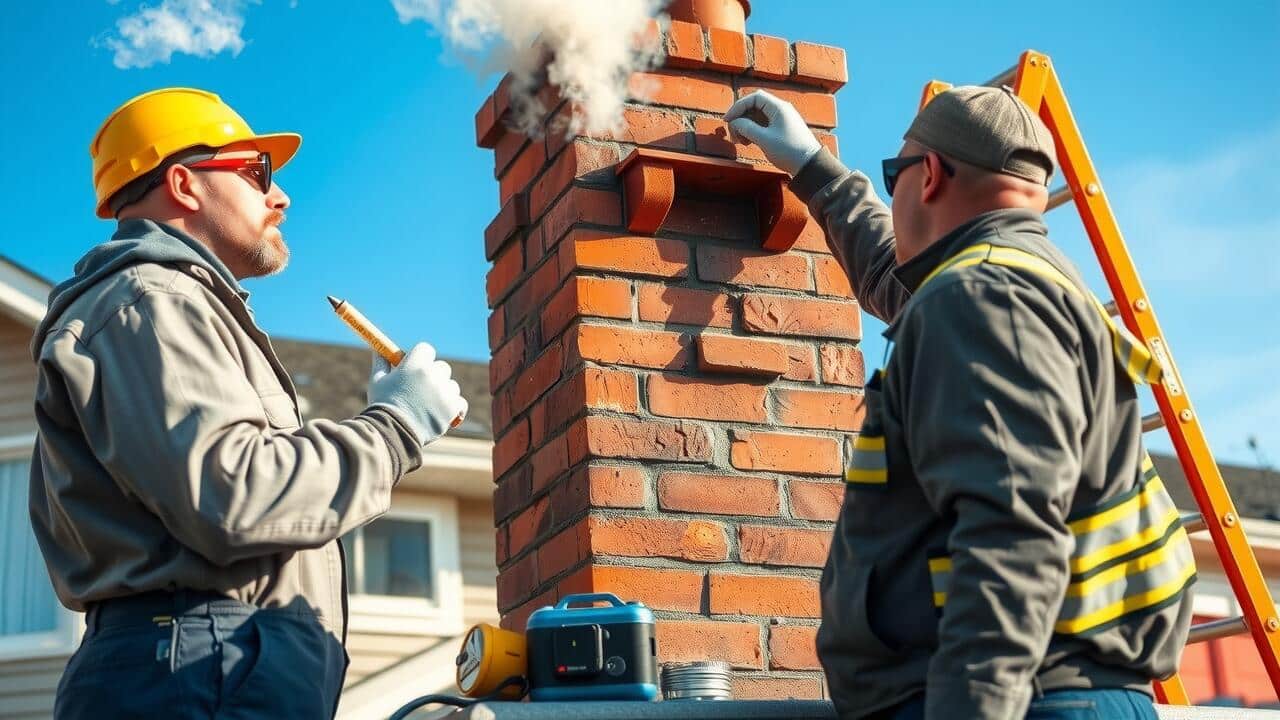
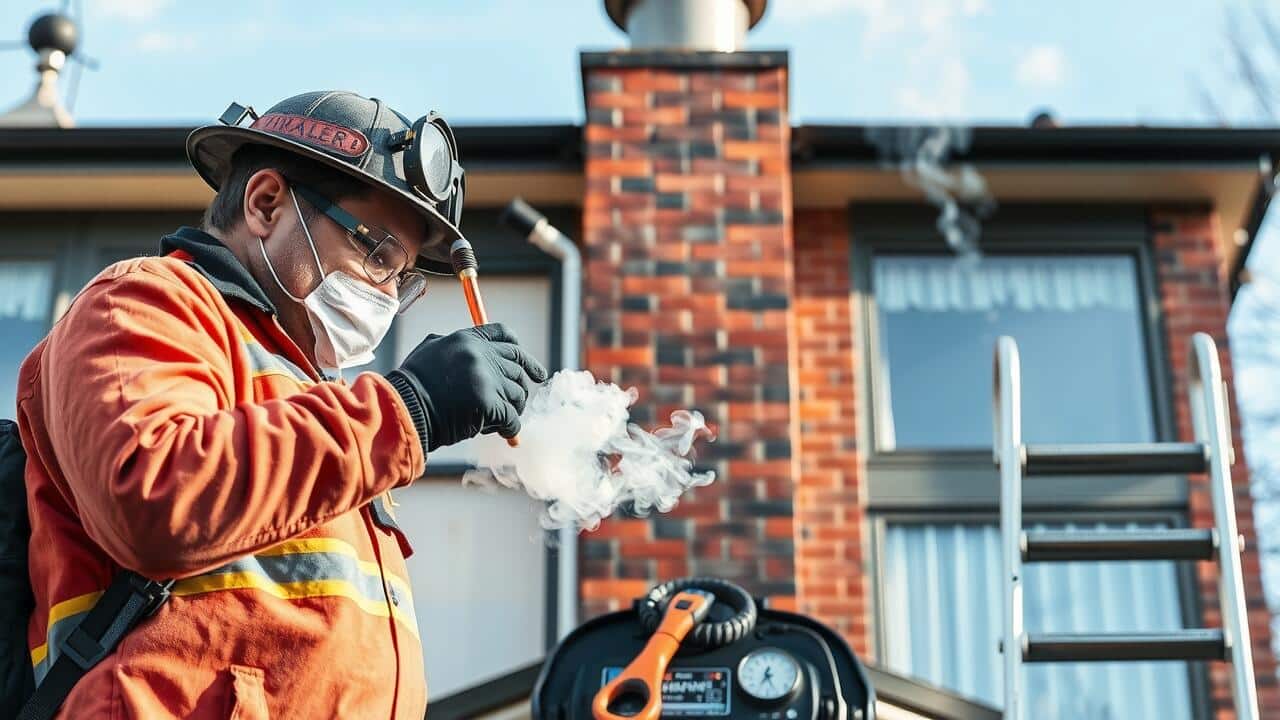
Chimney Smoke Testing in your home is a practical method to evaluate how well air flows through your chimney system. During this test, smoke is introduced into the flue to observe its movement and identify any areas where it may backtrack. Homeowners should be aware of any peculiarities during this process, as they can highlight the presence of blockages or improper installation. Addressing these issues promptly can help mitigate potential hazards associated with poor chimney performance.
Signs of Water Damage
Water damage in a chimney can signal serious issues that need attention. Look for signs such as discoloration, stains, or efflorescence on both the interior and exterior surfaces of the chimney. These indicators often reveal moisture penetration, which can lead to deterioration of the chimney structure. Regular inspections can help identify these problems before they escalate into more significant repairs.
Additionally, if you notice bricks or mortar crumbling, it’s a clear sign that water is affecting the chimney’s integrity. It is essential to address these issues promptly to maintain a safe and functional chimney. Consider incorporating Chimney Smoke Testing in your maintenance routine to assess any underlying issues caused by water intrusion. This testing can help ensure that everything operates efficiently and safely.
Impact of Moisture on Chimney Integrity
Moisture can significantly compromise the integrity of a chimney, leading to potential safety hazards. When water infiltrates the chimney structure, it can weaken the materials and create an environment for mold and mildew growth. This deterioration may result in cracks, rusted flues, and other serious damages, ultimately affecting the efficiency of the chimney and increasing the risk of chimney fires.
Chimney Smoke Testing in such conditions becomes crucial to assess the impact of moisture. This testing allows homeowners to determine if smoke is properly venting, which is essential for safe operation. A thorough evaluation can reveal underlying issues caused by water damage, enabling timely repairs and ensuring the chimney functions safely and effectively.
FAQS
How can I tell if my chimney is safe for fires?
To determine if your chimney is safe for fires, look for unpleasant odors, smoke backing up into your home, and signs of water damage. Regular inspections by a professional can also help ensure its safety.
What should I do if I notice an unpleasant odor coming from my chimney?
Unpleasant odors can indicate creosote buildup or other issues. It’s advisable to have your chimney inspected and cleaned by a professional to address any underlying problems.
Why is smoke coming back into my home?
Smoke returning into your home often indicates a draft issue. This could be caused by blockages, improper flue sizing, or structural problems in the chimney. A professional can help diagnose and fix these issues.
What are the signs of water damage in a chimney?
Signs of water damage include rust on metal components, peeling paint, mold growth, and visible cracks in the chimney structure. These issues can compromise the integrity of your chimney and should be addressed promptly.
How does moisture affect the integrity of my chimney?
Moisture can lead to deterioration of the chimney structure, including cracking and spalling. It can also promote mold growth and compromise the safety of your chimney. Regular inspections can help prevent moisture-related damage.