Table Of Contents
The Process of a Chimney Inspection
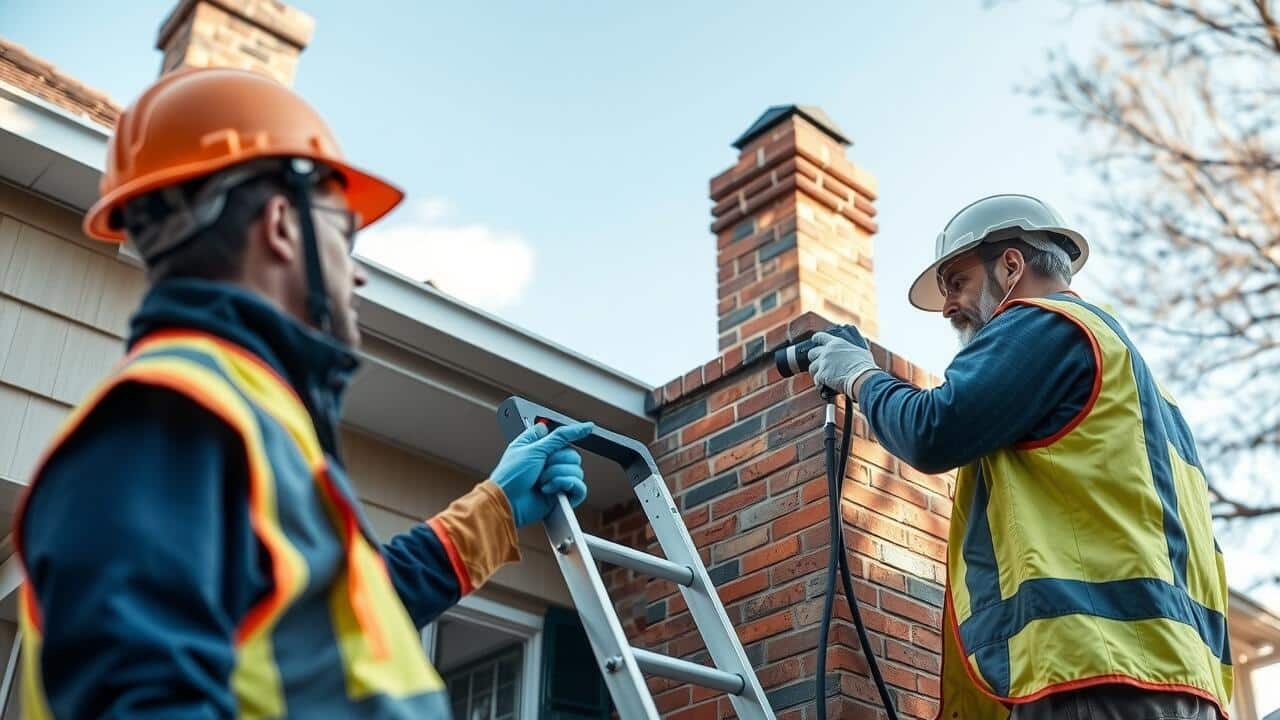
During a chimney inspection, trained professionals begin by assessing the exterior of the chimney for any visible signs of damage or wear. This initial evaluation includes checking the chimney cap, crown, and flue to ensure they are intact and functioning properly. The technician looks for cracks, loose bricks, or other structural issues that could compromise the chimney’s integrity. Inspections often require accessing the roof to examine the chimney from various angles, ensuring a comprehensive assessment.
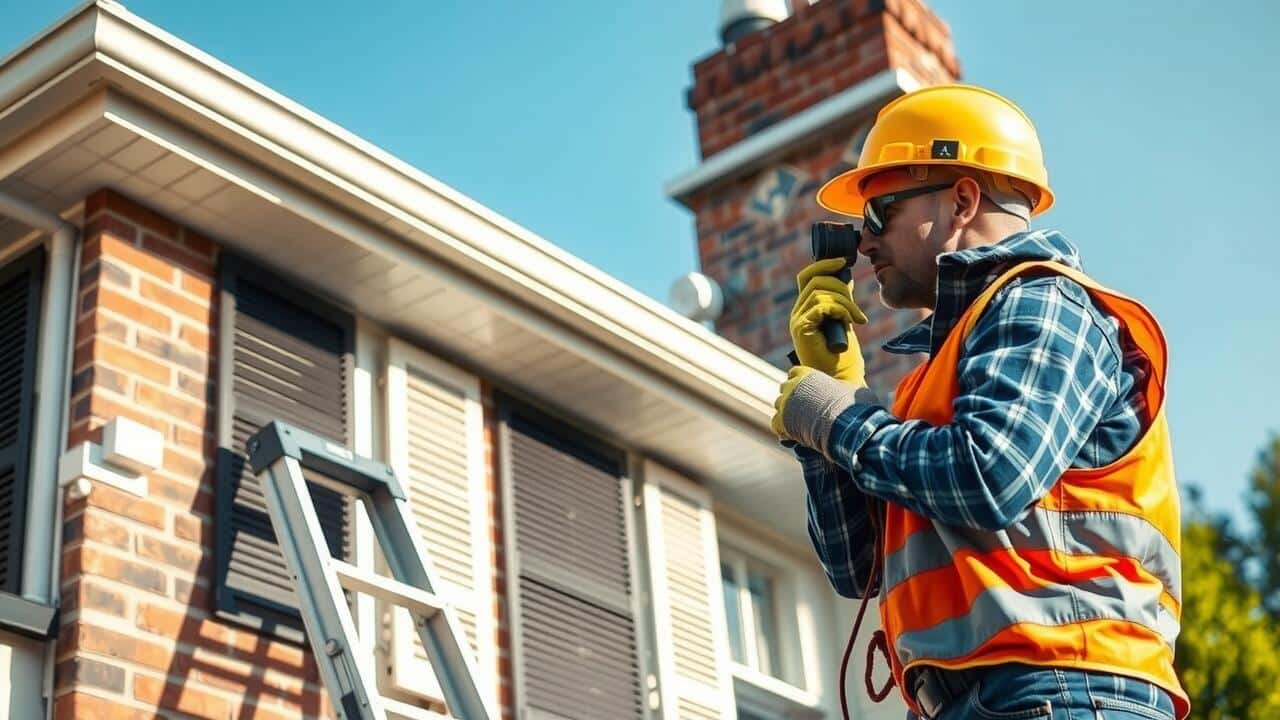
Once the exterior has been thoroughly examined, the inspector will then focus on the interior components. A chimney inspection involves using specialized tools, such as cameras, to get a clear view of the flue lining and any obstructions within. Creosote buildup, which can lead to chimney fires, is meticulously identified during this stage. The inspection process aims to provide homeowners with a complete understanding of their chimney’s condition, helping them to address any issues before they escalate into more serious problems.
Step-by-Step Overview of the Inspection
During a Chimney Inspection, the process typically begins with a visual assessment of the exterior. Inspectors evaluate the chimney structure for signs of damage, such as cracks or deterioration. They check the flue for obstructions that could impede airflow. This initial phase is crucial as it establishes whether further examination is necessary or if any urgent repairs are required.
Following the exterior evaluation, the inspector may conduct an internal examination. This involves using specialized tools to assess the interior condition of the flue and chimney lining. They look for buildup of soot, creosote, or any blockages. Inspectors may also inspect the damper and other functional components to ensure they are working effectively. Together, these steps in a Chimney Inspection provide a comprehensive understanding of the chimney’s safety and functionality.
Common Issues Found During Inspections
Chimney inspections often reveal various common issues that can pose risks to home safety. Creosote buildup ranks high among these problems, as it can ignite and cause a chimney fire. Cracked or crumbling flue tiles may also be found during a chimney inspection, leading to a dangerous situation where harmful gases can leak into living spaces.
Another frequent concern is blockages due to debris such as leaves, animal nests, or soot accumulation. These obstructions can disrupt proper ventilation, increasing the risk of carbon monoxide exposure. The presence of rust or corrosion within the chimney structure is another red flag that can compromise the system’s integrity and efficiency during a chimney inspection.
Identifying Potential Hazards in Chimneys
Chimney inspections play a crucial role in identifying potential hazards that could pose risks to safety and efficiency. During a professional chimney inspection, technicians examine the interior and exterior of the chimney structure for signs of damage or deterioration. Common issues include creosote buildup, which can lead to dangerous chimney fires, and cracks or blockages in the flue that can impede proper ventilation. These hazards require immediate attention to prevent more severe problems in the future.
In addition to creosote and structural issues, inspectors look for problems such as loose bricks, deteriorating mortar joints, and even animal nests. Such blockages and damages can compromise the chimney’s ability to exhaust smoke and harmful gases, potentially leading to dangerous situations like carbon monoxide poisoning. Regular chimney inspections help homeowners stay aware of these issues and ensure their heating systems operate safely during colder months.
The Benefits of Professional Chimney Inspections
Professional chimney inspections provide homeowners with peace of mind. By identifying issues early, these inspections can prevent costly repairs and enhance the longevity of the chimney. A qualified inspector can spot signs of deterioration, creosote buildup, or structural concerns that may pose risks. Regular evaluations promote safer heating practices and reduce the likelihood of chimney-related fires.
In addition to safety, a chimney inspection can improve the efficiency of a heating system. Blocked or damaged chimneys can lead to poor airflow, causing appliances to work harder and consume more energy. By ensuring that the chimney is in optimal condition, homeowners can enjoy better heating performance and lower utility bills. Investing in a professional chimney inspection is a proactive step towards maintaining a safe and efficient home.
Enhancing Safety and Efficiency
Regular chimney inspection plays a crucial role in enhancing safety by identifying potential hazards before they escalate into serious problems. During an inspection, professionals look for creosote buildup, blockages, and structural issues that may compromise the chimney’s integrity. Addressing these issues early not only reduces the risk of chimney fires but also ensures that harmful gases are vented properly, minimizing the risk of carbon monoxide poisoning in the home.
Efficiency is another significant benefit of regular chimney inspection. A well-maintained chimney allows for optimal airflow, which improves heating efficiency and reduces fuel consumption. Homeowners can save on energy costs while ensuring their heating systems operate effectively. An expert chimney inspection identifies areas that require attention, ensuring that the heating system runs smoothly and efficiently throughout the colder months.
FAQS
Does the fire department conduct chimney inspections?
Generally, the fire department does not conduct chimney inspections as part of their regular duties. They may respond to emergencies or fires related to chimney issues, but inspections are typically carried out by specialized chimney professionals.
How often should I have my chimney inspected?
It is recommended to have your chimney inspected at least once a year, especially before the heating season begins, to ensure it is safe and functioning properly.
What are some common issues found during chimney inspections?
Common issues may include creosote buildup, cracks in the flue, blockages from debris or animal nests, and structural damage to the chimney itself.
Can I inspect my chimney myself?
While you can perform a basic visual inspection, it is advisable to hire a professional chimney inspector for a thorough evaluation, as they have the expertise and tools to identify hidden issues.
What are the benefits of a professional chimney inspection?
Professional chimney inspections enhance safety by identifying potential hazards, improve the efficiency of your heating system, and can help prevent costly repairs or accidents in the future.