Table Of Contents
Professional vs. DIY Chimney Cleaning
Chimney cleaning is an essential aspect of maintaining a safe and efficient home heating system. Homeowners often face the choice between hiring a professional for commercial chimney cleaning or attempting a do-it-yourself approach. Professionals possess the expertise and experience to effectively remove creosote buildup and other debris. They also have access to industry-standard tools that can expedite the cleaning process while ensuring that all safety protocols are followed. This level of thoroughness is difficult to achieve with DIY methods.
On the other hand, some homeowners might prefer to take on chimney cleaning themselves to save money. DIY cleaning can be less expensive if proper tools are already on hand, and it can provide a sense of accomplishment. However, the lack of experience can result in inadequate cleaning or safety risks. Without the right equipment and knowledge, a DIY effort may leave behind hazardous materials or fail to address underlying issues that could lead to dangerous chimney fires. Ultimately, the decision between professional and DIY cleaning should consider both safety and effectiveness.
Pros and Cons of Each Approach
When considering chimney cleaning options, homeowners often weigh the benefits and drawbacks of hiring a professional versus attempting a do-it-yourself approach. Commercial chimney cleaning services bring expertise and specialized knowledge to the task. Professionals are trained to identify issues that may not be visible to the untrained eye, ensuring a thorough cleaning process. They also have access to advanced tools and equipment that can achieve significant results in less time. However, the cost of hiring a professional may deter some homeowners, leading them to consider DIY methods as a more budget-friendly alternative.
On the other hand, DIY chimney cleaning can provide a sense of accomplishment and savings on service fees. With proper research and basic equipment, homeowners can complete the task themselves. This approach allows for flexibility in scheduling, as individuals can clean their chimneys at their convenience. However, lack of expertise and inadequate tools can lead to incomplete cleaning and potential safety hazards. Additionally, without professional inspections, hidden issues may remain unaddressed, resulting in greater problems down the line.
Tools Used by Professionals
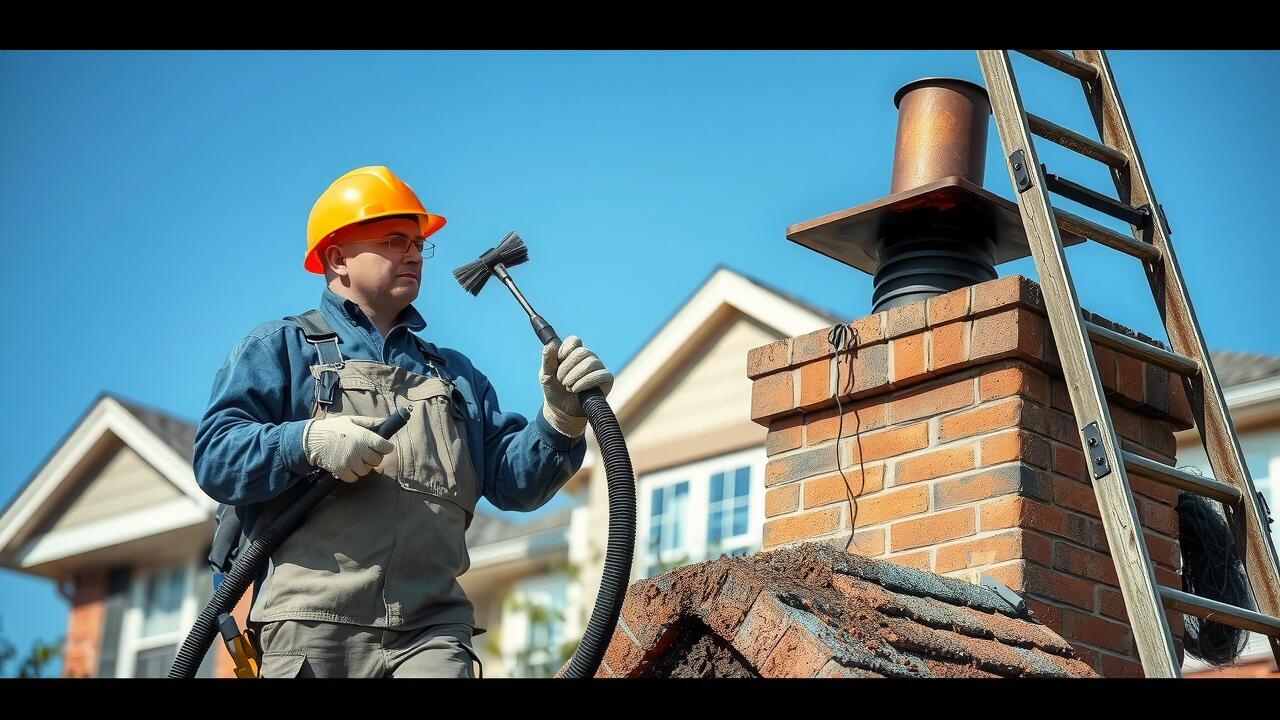
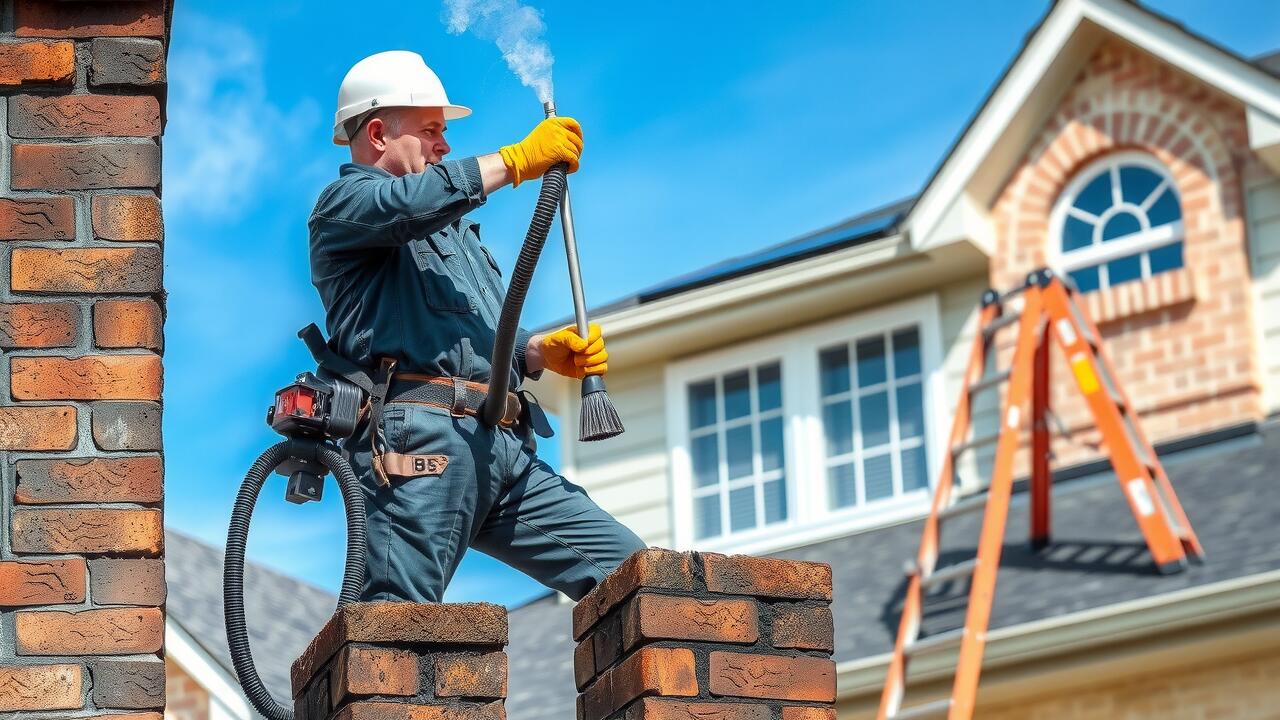
Professional chimney cleaners utilize a variety of specialized tools to ensure a thorough and effective cleaning process. One key tool is the industrial vacuum, which is designed to capture soot and debris without allowing it to escape into the living area. Brushes made from durable materials in various sizes are also essential for reaching different flue diameters. These tools, combined with the use of camera inspection equipment, allow professionals to assess the condition of the chimney before and after cleaning.
In the realm of Commercial Chimney Cleaning, additional equipment may be employed to handle larger or more complex systems. High-powered blowers can aid in dislodging stubborn creosote buildup, while scaffolding might be necessary for taller structures to ensure complete accessibility. Professionals often carry an array of tools that enable them to tailor their approach based on the specific requirements of each job, enhancing both safety and efficiency in the chimney cleaning process.
Equipment to Achieve a Thorough Cleaning
A variety of specialized equipment is essential for achieving a thorough cleaning of chimneys. Professional chimney cleaners often utilize tools such as chimney brushes, which come in various sizes and materials to fit different flue types. These brushes allow for effective removal of soot and creosote buildup. Additionally, vacuum systems specifically designed for chimney cleaning help contain debris and prevent it from spreading into the home during the process.
In the realm of commercial chimney cleaning, possessing advanced equipment becomes even more critical. Professionals may use cameras to inspect flue integrity and identify blockages. This technology provides them with the ability to see issues that may not be visible during a standard cleaning. Furthermore, high-powered vacuums and rotary cleaning systems enhance efficiency and effectiveness, ensuring that all aspects of the chimney are thoroughly addressed.
Seasonal Considerations for Chimney Cleaning
Chimney cleaning is not just a one-time task but rather an important seasonal routine that can prevent dangerous situations like chimney fires and carbon monoxide exposure. Autumn is often considered the best time for chimney cleaning, as this prepares your system for the heavy usage that winter demands. Engaging in this process before you light your first fire can help ensure your chimney is free of creosote buildup and obstructions that could impede airflow.
Spring also serves as an excellent opportunity to inspect and clean your chimney. This time allows homeowners to address any issues that arose during the winter months and prepare for the warm weather ahead. Whether you opt for a DIY cleaning or seek out professional services such as Commercial Chimney Cleaning, staying on top of maintenance will protect your home and enhance the efficiency of your heating system throughout the year.
Best Times of Year for Maintenance
The best time for chimney maintenance often aligns with seasonal transitions. Fall is particularly ideal as homeowners prepare their fireplaces for winter use. Ensuring that a chimney functions efficiently and safely before the colder months can prevent potential hazards. Scheduling cleaning and inspection during this time allows for any necessary repairs to be made, ensuring your system is ready for the increased usage.
Spring also serves as an opportune moment for chimney maintenance. After a winter of heavy use, it’s crucial to remove soot and creosote buildup to avoid chimney fires. During this period, commercial chimney cleaning services can assess damage and recommend any maintenance needed before the next heating season. Regular upkeep not only promotes safety but also prolongs the life of the chimney and enhances the efficiency of heating systems.
FAQS
How long does it typically take for a professional to clean a chimney?
On average, a professional chimney cleaning can take anywhere from 1 to 2 hours, depending on the condition of the chimney and the complexity of the system.
What factors can affect the time it takes to clean a chimney?
Factors that can influence the cleaning duration include the amount of soot buildup, the type of chimney, accessibility, and whether additional repairs or inspections are needed.
Is chimney cleaning a one-time task, or should it be done regularly?
Chimney cleaning should be done regularly, ideally once a year, to ensure safety and efficiency, especially if you use your fireplace frequently.
Can I clean my chimney myself instead of hiring a professional?
While DIY chimney cleaning is possible, it requires specific tools and knowledge. Hiring a professional is recommended for a thorough and safe job.
What should I do to prepare for a professional chimney cleaning?
To prepare for a professional cleaning, remove any furniture or items near the fireplace, ensure access to the chimney is clear, and inform the technician of any issues you’ve experienced.