Table Of Contents
Professional Creosote Cleaning Services
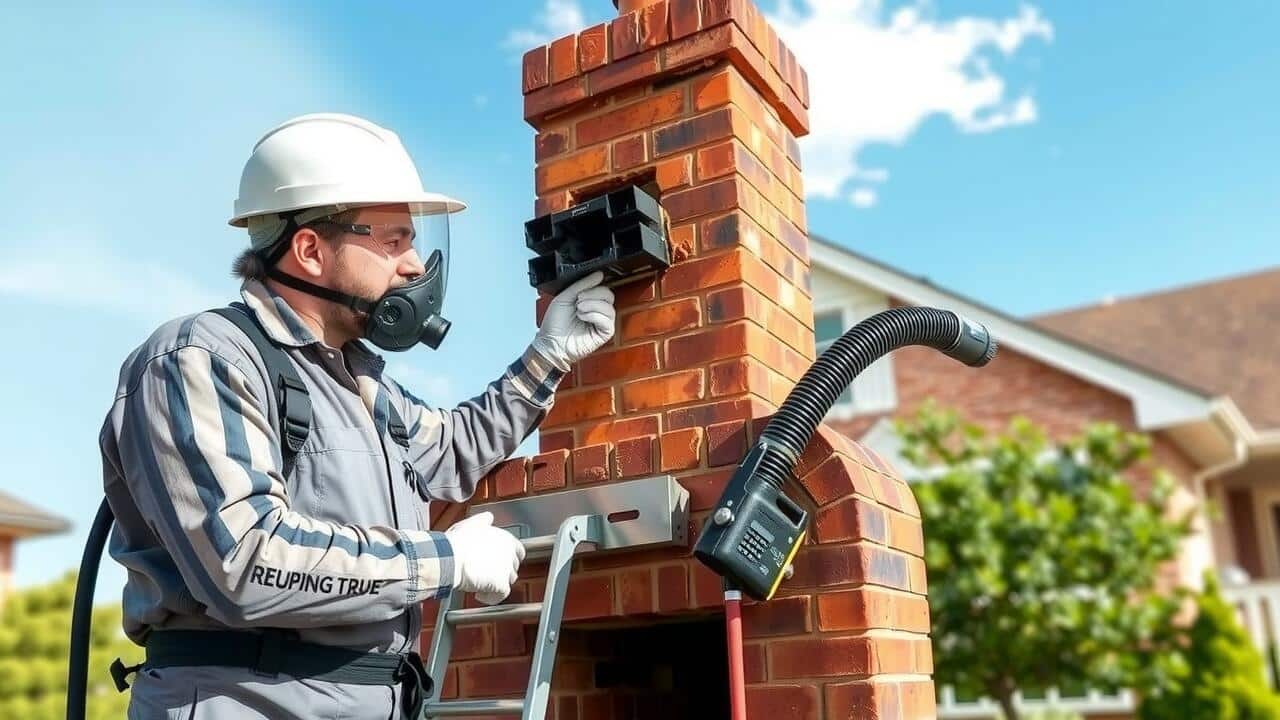
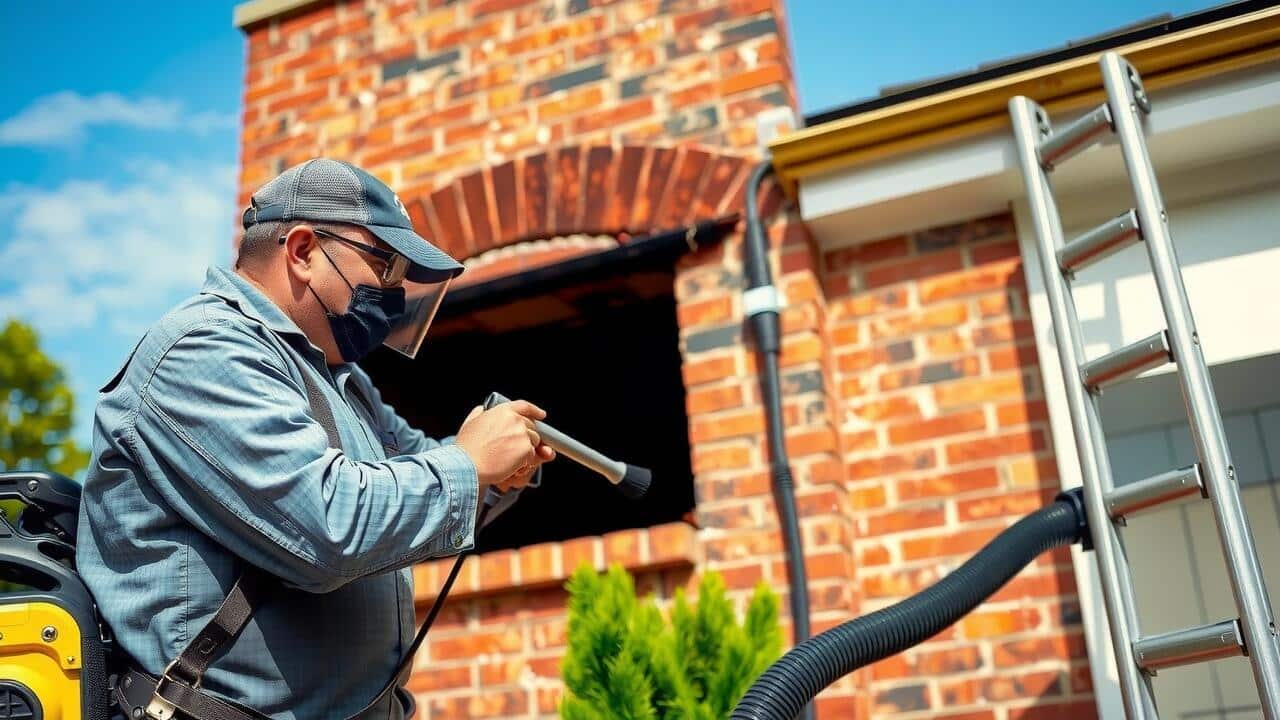
Hiring professionals for creosote removal offers numerous advantages. Experienced technicians have the necessary tools and training to safely eliminate creosote buildup from your chimney or flue. They understand the various grades of creosote and can effectively assess the severity of the situation. This expertise ensures that all hazardous materials are removed, reducing the risk of chimney fires and improving overall system efficiency.
Professional services often include a thorough inspection of the entire chimney and flue. They can identify any underlying issues that may not be immediately visible and recommend appropriate repairs. Their comprehensive approach not only addresses immediate creosote concerns but also helps maintain the longevity of your chimney system. Regular professional cleanings can prevent future buildup, ensuring a safer environment for your home.
When to Hire an Expert
Knowing when to hire an expert for creosote removal is crucial for maintaining safety and efficiency. If the accumulation of creosote is significant, it’s often best to seek professional help. An expert can assess the situation, identify the extent of the buildup, and provide the necessary equipment and expertise to tackle the problem effectively. Attempts at DIY removal in severe cases can lead to injury or further damage to your fireplace or chimney.
Timing also plays an essential role in deciding whether to hire a professional. Regular inspections can reveal creosote buildup before it becomes a serious hazard. If you notice a lingering smell of creosote or see dark residue inside the chimney, it’s a sign that you should consider professional creosote removal services. Experts can ensure the job is done correctly and reduce the risk of chimney fires or harmful pollutants entering your home.
Safety Precautions During Creosote Removal
When engaging in creosote removal, it is essential to prioritize safety to prevent accidents and injuries. Use protective gear such as gloves, goggles, and a respirator to shield yourself from harmful particles that may be released during the cleaning process. Ensure your workspace is well-ventilated to minimize exposure to fumes. It is also wise to have a fire extinguisher nearby, as creosote can ignite under certain conditions, posing a significant fire risk.
Additionally, take precautions to protect your property during creosote removal. Cover furniture and floors with tarps or drop cloths to catch any soot or debris that may fall during the cleaning process. If using a ladder to access your chimney, check its stability and ensure it is set up on a flat surface. Being cautious can help prevent property damage and ensure that the removal process is as smooth and effective as possible.
Protecting Yourself and Your Property
When engaging in creosote removal, it is essential to prioritize safety for both yourself and your property. Always wear protective gear, such as gloves, goggles, and a mask, to shield yourself from harmful particles released during the cleaning process. Keep a bucket of water nearby to extinguish any potential sparks. Ensure that your workspace is clear of flammable materials to prevent accidents.
Proper ventilation is crucial during creosote removal. Open windows and doors to allow fresh air circulation and reduce the buildup of smoke and toxic fumes. If you are using any tools or equipment, make sure they are in good working order to prevent malfunction. Regularly check for any signs of damage in your chimney or fireplace, as this can further compromise safety during the cleaning process.
DIY Techniques for Burning Off Creosote
Burning off creosote can be an effective way to manage and reduce its buildup in your chimney. One common DIY technique involves using specially designed creosote cleaning logs. These logs, when burned, produce high temperatures that help break down creosote deposits. It’s important to follow the manufacturer’s instructions on usage. Before attempting this method, ensure that your chimney is clean enough for the heat produced by these logs to escape without obstruction.
Another approach for creosote removal involves regular maintenance through efficient burning techniques. When using your fireplace or wood stove, ensure you are burning seasoned hardwood, as it produces hotter and cleaner fires. Maintain proper airflow for optimal combustion, which can prevent excessive creosote accumulation. Regularly sweeping the chimney and using a chimney cap can further minimize creosote buildup while enhancing your home’s safety and efficiency.
Safe and Effective Methods
When considering DIY methods for creosote removal, burning off the creosote can be an effective option. It is crucial to use seasoned wood for the fire, as this type of wood produces a hotter flame, which helps in burning off the creosote deposits. Additionally, adding hot water to the fire can create steam, assisting in the breakdown of the built-up material within the chimney. Ensuring proper ventilation during this process is essential to keep smoke and toxic fumes from accumulating in the home.
Another method to encourage effective creosote removal is the use of creosote sweeping logs. These products are designed to be burned in your fireplace, helping to reduce creosote buildup through chemical reactions during combustion. While they can be useful for maintenance, they should not replace regular cleanings and inspections by a professional. Using these methods as part of a comprehensive approach can help maintain your chimney’s efficiency and safety.
FAQS
What is creosote, and why is it a problem?
Creosote is a byproduct of burning wood and can build up in chimneys and stovepipes. It is a problem because it is flammable and can lead to chimney fires if not removed.
How often should I have my chimney inspected for creosote buildup?
It is generally recommended to have your chimney inspected at least once a year, especially if you use your fireplace frequently. This helps ensure that any creosote buildup is identified and dealt with promptly.
Can I burn off creosote myself, or should I hire a professional?
While there are DIY techniques for burning off creosote, it is often safer and more effective to hire a professional cleaning service, especially if the buildup is severe or if you are not experienced in chimney maintenance.
What are some safety precautions I should take during creosote removal?
Safety precautions include wearing protective gear, ensuring proper ventilation, using appropriate tools, and keeping flammable materials away from the work area.
What DIY methods can I use to burn off creosote?
Some safe DIY methods include using specially formulated creosote removal logs, burning hot fires with dry wood, and using a chimney sweep brush to physically remove the buildup.