Table Of Contents
Additional Expenses Beyond Basic Replacement
Replacing a chimney crown often involves more than just the basic materials and labor costs. Homeowners may encounter additional expenses related to chimney crown repair that arise from underlying issues discovered during the replacement process. For instance, if the chimney structure shows signs of deterioration, reinforcing or rebuilding certain sections might be necessary. Furthermore, if the flashing around the chimney is damaged, it may need replacement as well, which contributes to the overall project cost.
Weather-related damage can also play a significant role in additional expenses. Sometimes, a chimney crown may appear intact, but prolonged exposure to harsh conditions can lead to hidden cracks or leaks. Identifying and fixing these problems promptly can prevent more extensive damage in the future. If repairs are neglected, homeowners risk facing even higher bills down the line due to related issues, such as water damage inside the home or structural instability.
Related Repairs That May Be Necessary
When considering a chimney crown replacement, homeowners should be aware of related repairs that may arise during the process. For instance, existing mortar joints could be deteriorating due to age or weather exposure, necessitating a routine repointing or maintenance. If issues are detected in the structure during the inspection, reinforcing measures may also be required to ensure the longevity of the new crown.
Another common concern is the condition of the chimney flue. Cracks or fractures within the flue can lead to dangerous situations, such as smoke or harmful gases entering the home. Addressing these issues through chimney crown repair helps maintain a safe and functional chimney system. Ignoring these related repairs might result in more significant problems and costs down the line.
Signs You Need to Replace Your Chimney Crown
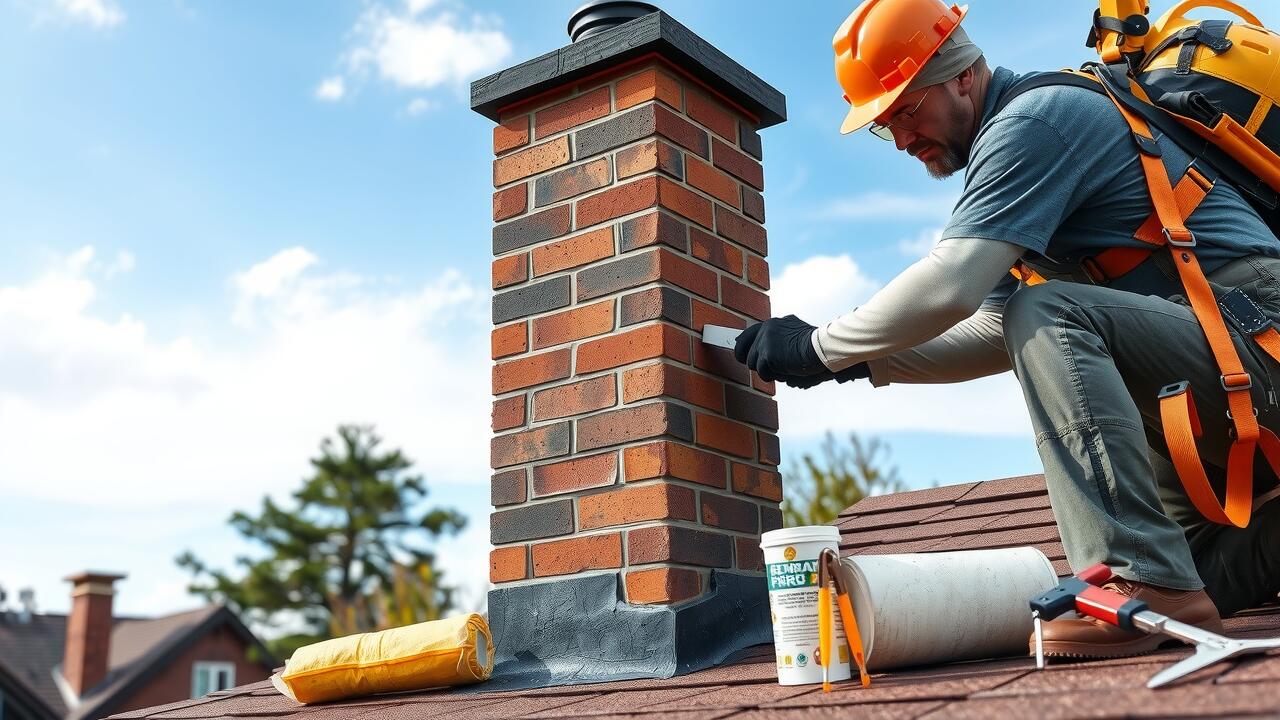
A chimney crown serves as a protective barrier, preventing rain and debris from entering the chimney structure. Signs indicating the need for a chimney crown replacement include noticeable cracks or gaps in the cement. Water infiltration can occur if the crown is damaged, leading to potential issues in the flue and surrounding areas. This deterioration often necessitates chimney crown repair to protect the integrity of the chimney.
Visual indicators may also manifest in the form of rust stains on the exterior of the chimney. Such stains suggest that moisture has penetrated the materials, indicating a breach in the crown’s functionality. Additionally, performance issues like smoke backing up into the home can signal that the chimney crown is not providing adequate ventilation. Prompt attention to these signs can prevent more costly repairs down the line.
Visual Indicators and Performance Issues
When assessing the condition of your chimney crown, several visual indicators can signal the need for immediate attention. Cracks, chips, or flaking of the crown’s surface often point to weather-related wear or other deterioration. In addition, any signs of water pooling or significant discoloration may suggest that the waterproofing has failed, allowing moisture to penetrate. These issues can lead to more severe damage if not addressed promptly. Routine inspections help catch these symptoms early, enabling effective chimney crown repair before significant structural problems develop.
Performance issues can also manifest through other signs, such as water leaks noticeable within the fireplace or on the ceilings and walls surrounding the chimney. Unpleasant odors might arise, indicating pooling water that can promote mold growth or unpleasant conditions inside the home. If you notice a reduction in the chimney’s draft, it could reflect problems with the crown that affect the ventilation system’s efficiency. Guarding against these performance issues is crucial. Regular maintenance and timely chimney crown repair can prevent costly long-term damage and maintain the integrity of the entire system.
DIY vs. Professional Replacement
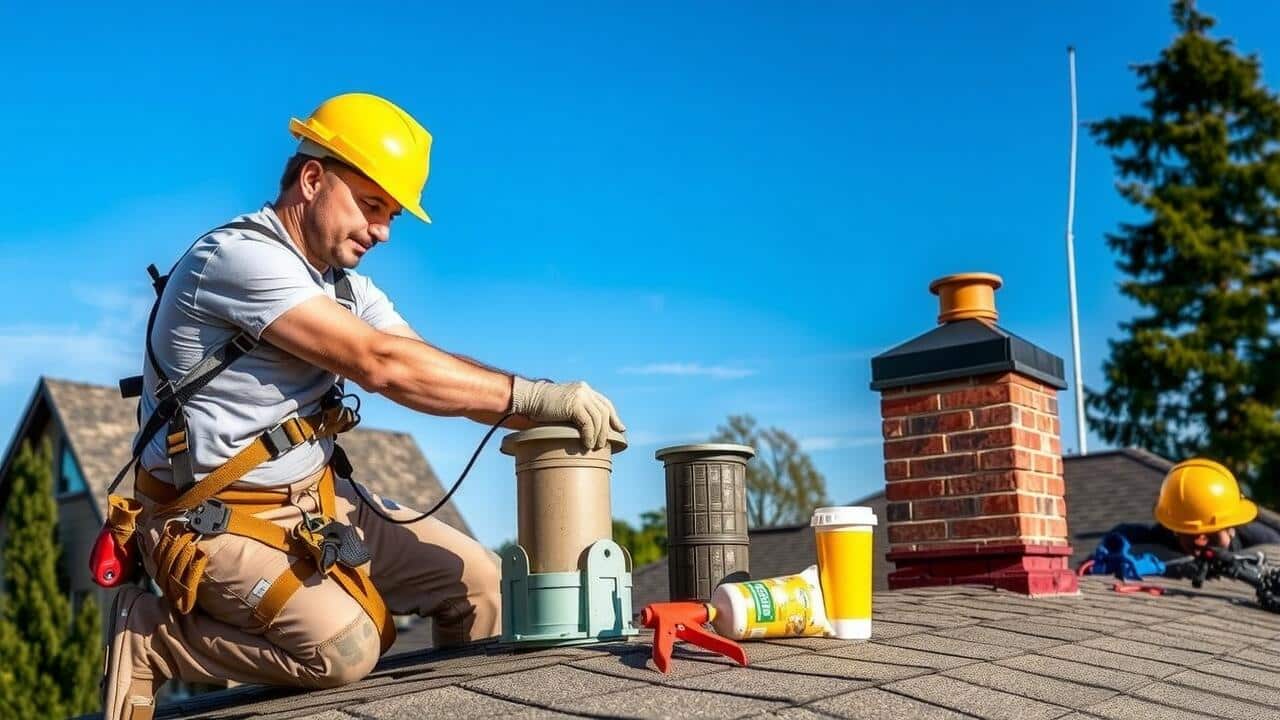
When considering chimney crown replacement, many homeowners weigh the option of DIY versus hiring a professional. A DIY approach can save money on labor costs and provide a sense of accomplishment. However, the necessary skills and tools for a successful chimney crown repair may be beyond the comfort level of some individuals. Adequate knowledge of materials and techniques is crucial to ensure the repair is effective and long-lasting.
On the other hand, hiring a professional can offer peace of mind. Experts bring experience and specialized tools to the job, reducing the likelihood of future issues. Professionals can also identify underlying problems that may not be immediately visible, ensuring a comprehensive solution. While the initial investment is higher, the long-term benefits often justify the cost, particularly in terms of safety and durability.
Pros and Cons of Each Approach
Choosing between DIY and professional replacement for your chimney crown involves weighing several factors. A DIY approach can save money on labor costs and allow homeowners to take pride in their hands-on work. With access to online tutorials and resources, some may feel confident tackling this project. However, chimney crown repair requires specific tools and skills that not everyone possesses, potentially leading to further issues if the repair is not executed correctly.
On the other hand, hiring a professional can provide peace of mind and guarantee quality craftsmanship. Experts bring experience, knowledge of materials, and familiarity with local building codes, reducing the risk of future problems. This approach typically incurs higher upfront costs but may save money long-term by preventing costly mistakes. Homeowners should consider their experience level and the complexity of the repair when making their decision.
FAQS
What is the average cost to replace a chimney crown?
The average cost to replace a chimney crown typically ranges from $300 to $1,000, depending on factors such as materials used, labor costs, and the condition of the chimney.
What additional expenses might I incur beyond the basic replacement cost?
Additional expenses can include repairs to the chimney structure, waterproofing, chimney cleaning, and potential costs for scaffolding or specialized equipment if needed.
How can I tell if my chimney crown needs to be replaced?
Signs that your chimney crown may need replacement include visible cracks, crumbling materials, water damage, or leaking in the fireplace.
Is it advisable to replace a chimney crown myself?
While DIY replacement is possible, it can be risky if you lack experience. Hiring a professional ensures proper installation and can help avoid further damage.
What are the pros and cons of professional chimney crown replacement?
The pros of hiring a professional include expertise, safety, and warranty options. The cons may involve higher costs compared to a DIY approach and scheduling delays.